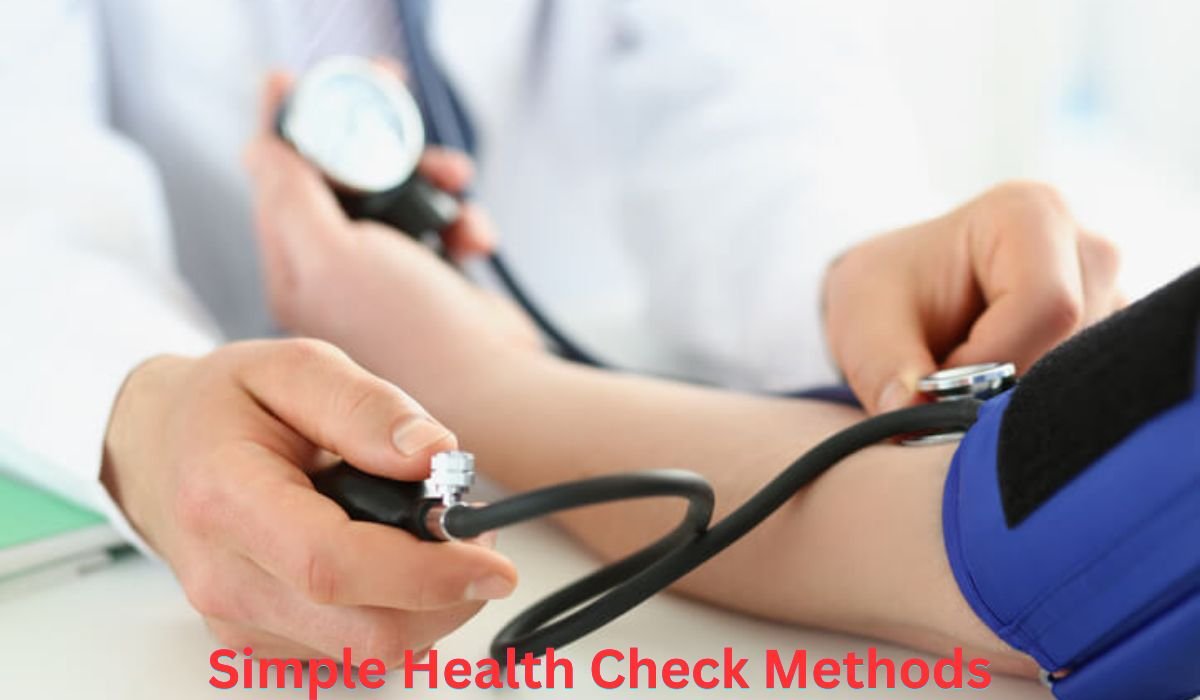
Your body speaks to you every single day through energy, sleep, digestion, and mood. Most people wait until something feels seriously wrong before paying attention. But simple health check methods can help you catch early warning signs before they become bigger problems. Start listening now.
Home health monitoring doesn’t require expensive equipment or medical training. With a little awareness and consistency, anyone can build daily wellness awareness into their routine. Small observations like how you slept or how your skin looks reveal a surprising amount about your overall health and well-being.
Why Simple Health Check Methods Matter
Your body sends signals long before a condition becomes serious. Simple health check methods give you a head start on protecting your health naturally.
Why it matters:
- Helps spot early warning signs before they escalate
- Builds stronger awareness of your lifestyle habits
- Reduces long-term health risks with small daily actions
- Supports preventive healthcare without clinic visits
| Benefit | Impact |
| Early detection | Prevents minor issues from worsening |
| Self-awareness | Improves daily decisions |
| Cost saving | Fewer unnecessary doctor visits |
| Lifestyle change | Encourages healthier habits |
When you stay connected to your body’s signals, you naturally make better choices around nutrition, sleep, and stress management all of which support long-term physical health.
Monitoring Your Heart Rate at Rest
Your resting heart rate is one of the most reliable health indicators available and it costs nothing to check. It tells you how hard your heart works when your body is relaxed.
How to check it at home:
- Sit quietly for 5 minutes
- Place two fingers gently on your wrist or neck
- Count beats for 30 seconds, then multiply by 2
- Normal range: 60–100 beats per minute
| Heart Rate Range | What It May Indicate |
| 60–100 bpm | Normal for most adults |
| Below 60 bpm | Could mean high fitness or needs attention |
| Above 100 bpm | May signal stress or illness |
Tracking your resting heart rate regularly helps you notice patterns linked to stress levels, fitness improvements, or even early illness, all key parts of smart health monitoring.
Checking Your Breathing Pattern
Your breathing pattern quietly reflects the state of your lungs, nervous system, and stress levels. Most people never pay attention to it but they should.
Quick breathing self-check:
- Sit in a relaxed position
- Breathe naturally for one full minute
- Notice if your breath feels smooth, shallow, or tight
- Healthy breathing: calm, steady, effortless
| Breathing Type | Possible Meaning |
| Slow and deep | Relaxed, healthy lung capacity |
| Fast and shallow | Stress or low physical activity |
| Irregular | May need attention |
Practicing deep breathing exercises daily expands lung capacity and lowers stress levels naturally. Even five minutes each morning can make a visible difference in your energy and focus throughout the day.
Observing Energy Levels Throughout the Day
Your energy levels are a direct mirror of your internal health. If you feel drained before the day even begins, your body is telling you something important.
Daily energy self-check questions:
- Do I feel refreshed after sleeping?
- Does morning fatigue follow me into the afternoon?
- Does my energy crash after meals?
- Can I complete simple tasks without exhaustion?
Low or inconsistent energy can point to dehydration, poor nutrition, disrupted sleep, or high stress levels. Understanding your natural body rhythm when you feel most alert and when you dip helps you plan your day smarter and protect your well-being more effectively.
Checking Hydration Through Urine Color
One of the easiest and most overlooked simple health check methods is checking urine color. It gives you instant feedback on your hydration levels and no equipment needed.
Color guide:
| Urine Color | Hydration Status |
| Pale/light yellow | Well hydrated ✅ |
| Dark yellow | Drink more water ⚠️ |
| Amber or brown | Dehydration risk ???? |
| Clear | Overhydrated reduce intake |
Signs of dehydration to watch:
- Dry lips and skin condition changes
- Headaches or dizziness
- Low energy and poor focus and concentration
- Reduced brain function
Proper healthy hydration supports digestive health, sharper thinking, glowing skin, and stable energy levels. Drink water consistently throughout the day, don’t wait until you feel thirsty.
Monitoring Sleep Quality
Sleep quality is one of the most powerful predictors of your overall health. Poor sleep quietly damages immunity, mood, metabolism, and mental health over time.
Quick sleep self-assessment:
- Do I fall asleep within 20–30 minutes?
- Do I wake up multiple times at night?
- Do I feel genuinely rested in the morning?
- Am I relying on caffeine to get through the day?
Good healthy sleep means waking up feeling restored, not dragging yourself out of bed. Poor sleep hygiene, too much screen time before bed, or an inconsistent sleep schedule can silently wreck your health from the inside out. Prioritizing sleep is one of the highest-return wellness habits you can build.
Tracking Digestion and Appetite
Your digestion tells a daily story about what’s happening inside your body. Ignoring it means missing one of your most reliable health signals.
Watch for these signs:
- Regular bowel movements (healthy = once or twice daily)
- Comfort or bloating after meals
- Sudden appetite changes loss or increase
- Recurring stomach discomfort after certain foods
Digestion issues can point to food intolerance, stress, or imbalanced meals. Supporting healthy digestion is simply increasing fiber intake, eating more fruits and vegetables, staying hydrated, and avoiding rushed eating. Your gut health directly connects to your immunity, mood, and mental well-being.
Checking Skin Condition
Your skin condition is one of the most visible windows into your internal health. Changes in your skin often reflect what’s happening deeper inside your body.
Daily skin observation checklist:
- Is my skin dry, oily, or balanced?
- Any sudden acne breakouts without obvious cause?
- Does my skin look pale or dull lately?
- Any unusual rashes or changes in texture?
Skin condition issues can be linked to hormonal balance, nutrition gaps, dehydration, or poor sleep. While skincare products help on the surface, true skin health starts from within through balanced meals, proper water intake, quality sleep, and consistent self-care habits that support your internal health.
Simple Blood Pressure Awareness (Without Equipment)
You don’t always need a machine to notice signs that your blood pressure may be off. Your body often gives subtle clues worth paying attention to.
Warning signals to notice:
- Frequent headaches, especially at the back of the head
- Dizziness when you stand up quickly
- Unusual fatigue without physical reason
- Occasional blurred vision or chest tightness
These signals alone don’t confirm anything, but they’re your body asking for attention. Reducing salt intake, staying active, managing stress management effectively, and maintaining a healthy lifestyle all support stable blood pressure. If these symptoms persist, consult a medical professional and medical advice should always be your final guide.
Watching Body Weight Trends
Healthy weight management isn’t about obsessing over daily numbers, it’s about noticing meaningful patterns in your body weight trends over time.
Smart weight monitoring habits:
- Weigh yourself once a week, same time of day
- Track gradual changes rather than daily fluctuations
- Watch for unexplained gain or loss
- Connect weekly weight tracking to diet and activity changes
| Pattern | What to Consider |
| Gradual gain | Diet or activity shift |
| Sudden loss | Metabolism or health change |
| Stable weight | Healthy balance maintained |
| Fluctuating daily | Normal ignore daily changes |
Sudden unexplained changes in body weight trends without lifestyle shifts may signal changes in metabolism or nutrition that deserve a closer look.
Mental Health Self-Check
Mental health and physical health are deeply woven together; one always affects the other. Checking in with yourself emotionally is just as important as checking your heart rate.
Simple mental health daily questions:
- Do I feel calm or constantly overwhelmed?
- Am I enjoying things I normally love?
- Is emotional fatigue affecting my daily tasks?
- Are mood changes happening more frequently?
Occasional stress is completely normal. But persistent emotional fatigue, low motivation, or frequent mood changes are signals your mental well-being needs support. Talking to someone trusted, taking relaxation breaks, and maintaining a consistent routine can meaningfully improve your mental health and overall quality of life.
Listening to Your Body Signals
Your body constantly communicates through small, easy-to-miss body signals. The problem is most of us have learned to ignore them rather than respond to them.
Common signals worth noticing:
- Unexplained muscle discomfort or stiffness
- Persistent low focus and concentration
- Frequent mood changes throughout the day
- Unusual tiredness that sleep doesn’t fix
These early signals are your body’s way of protecting you. Rather than pushing through discomfort, adjusting your lifestyle habits early, more sleep, better nutrition, and less stress prevents these small signs from becoming serious health issues. Health awareness starts with simply paying attention daily.
Read Also This: Keine Karriere-Subdomain Gefunden: Fix the Error Fast12
Building a Simple Daily Health Routine
Consistency is where real health monitoring happens. You don’t need a complex plan, just a healthy routine you can actually stick to every day.
Your simple daily framework:
- Morning: Check energy, hydration, and breathing
- Daytime: Notice digestion, focus and concentration, and mood
- Evening: Reflect on sleep readiness and stress levels
- Weekly: Track body weight and review energy patterns
| Time of Day | Simple Health Check |
| Morning | Energy, hydration, breathing |
| After meals | Digestion, bloating, appetite |
| Evening | Sleep readiness, mood, screen time |
| Weekly | Weight, skin, resting heart rate |
A daily health routine built on simple health check methods creates a strong foundation for preventive healthcare. Small, consistent habits protect your overall health far better than occasional big efforts.
Frequently Asked Questions
How Can I Check My Body Daily?
Drink enough water and sleep well every night. Simple Health Check Methods help track your daily wellness naturally.
What Shows If My Body Needs Rest?
Feeling tired often may mean your body needs recovery. Simple Health Check Methods can help notice low energy signs early.
How Do I Know If I Am Hydrated?
Check urine color and keep it light yellow daily. Simple Health Check Methods make hydration monitoring very easy at home.
Why Should I Monitor My Heart Rate?
A calm resting pulse may show better overall fitness. Simple Health Check Methods support regular heart rate awareness safely.
How Can I Watch My Breathing Pattern?
Slow and smooth breathing often means relaxed body function. Simple Health Check Methods help notice unhealthy breathing changes quickly.
What Is An Easy Home Health Routine?
Eat healthy meals and track sleep every single day. Simple Health Check Methods improve healthy lifestyle habits over time.
How Can I Notice Health Changes Early?
Small body changes can signal future health problems sometimes. Simple Health Check Methods help identify warning signs before they grow.
Conclusion
Simple health check methods are not about becoming obsessed with your body, they’re about building a quiet, respectful awareness of how you feel day to day. When you notice changes early, you have the power to adjust your lifestyle habits before small issues grow into serious ones. Health awareness is truly one of the most empowering forms of self-care available to anyone.
Your journey toward better physical health and mental well-being doesn’t need to start with expensive tests or complicated routines. It starts with listening to your energy, your sleep, your digestion, and your mood. Make daily wellness awareness a non-negotiable part of your life, and your body will thank you with energy, clarity, and resilience for years to come.


