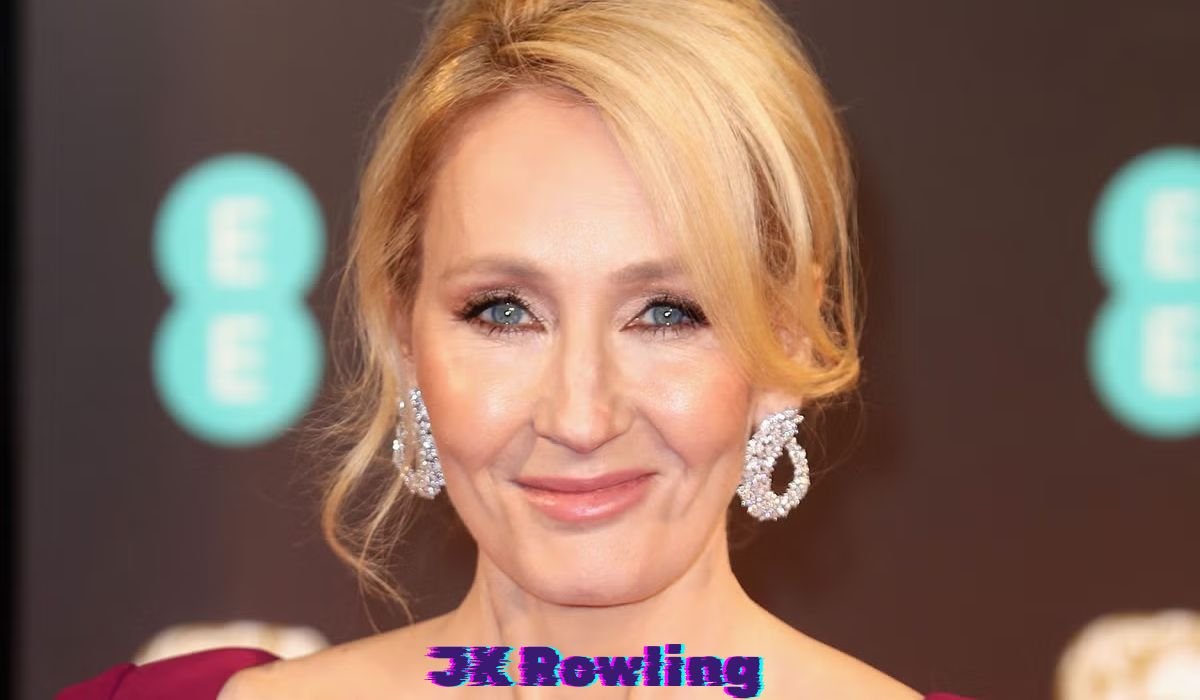
J.K. Rowling, one of the most celebrated authors of our time, has long been a target of internet misinformation. Among the most persistent falsehoods is the so-called JK Rowling cancer rumor, a baseless claim with zero medical or credible journalistic support. Born from digital noise, this rumor continues to mislead fans worldwide.
Joanne Rowling, creator of Harry Potter, Hermione Granger, and Ron Weasley, has never publicly disclosed a cancer diagnosis. Yet searches around JK Rowling cancer persist online, fueled by the attention economy and clickbait websites. Understanding the origins of this myth is essential to reclaiming the real narrative about her life and legacy.
| Quick Facts About J.K. Rowling (2026) | |
| Full Name | Joanne Rowling |
| Date of Birth | July 31, 1965 |
| Age (2026) | 60 years old |
| Estimated Net Worth (2026) | ~$1.2 billion USD |
| Known For | Harry Potter series, philanthropic work |
| Cancer Diagnosis? | None confirmed or publicly disclosed |
The Origins and Spread of the False “JK Rowling Cancer” Rumors

The JK Rowling cancer myth didn’t emerge from any credible newsroom. It spread through online forums, social media misinformation, and algorithmic amplification, the same machinery that turns unverified whispers into trending searches overnight.
Rumor propagation in the digital age feeds on emotional connection. Fans who grew up with Harry Potter feel a protective affection for Rowling, making them prime targets for celebrity health hoaxes. A single misleading post, amplified by platform algorithms, can generate millions of concerned searches within hours.
Key factors that fuel health misinformation about celebrities:
- Confirmation bias makes people believe rumors they emotionally want to investigate
- Clickbait websites monetize false celebrity health claims
- Algorithmic amplification rewards engagement over accuracy
- Rumor propagation multiplies through shares before fact-checks can respond
- Digital ecosystem vulnerabilities allow fringe claims to reach mainstream audiences
| How Celebrity Health Rumors Spread | |
| Stage 1 | Unverified post on fringe platform |
| Stage 2 | Content farms repackage as “report” |
| Stage 3 | Algorithmic amplification boosts engagement |
| Stage 4 | Fan anxiety drives massive search volume |
| Stage 5 | Rumor outlives corrections due to confirmation bias |
JK Rowling’s Actual Health History and Public Statements

Joanne Rowling has been selectively transparent about her health but on her own terms. She has spoken openly about mental health struggles, including clinical depression and suicide contemplation during the darkest period before Harry Potter’s publication.
No credible source has ever confirmed a JK Rowling cancer diagnosis. Her physical health challenges have included repetitive strain injury from writing and the toll of global fame pressure neither of which is remotely connected to cancer.
What J.K. Rowling has publicly shared about her health:
- Diagnosed with clinical depression in the early 1990s
- Experienced suicide contemplation which she discussed to help destigmatize mental illness
- Suffered repetitive strain injury during the writing of the Harry Potter series
- No cancer diagnosis has ever been disclosed or confirmed
- Personal health outside these disclosures is rightfully kept private
A Legacy of Giving: Rowling’s Philanthropy in Cancer and MS Research
J.K. Rowling’s most powerful real-world story isn’t about illness, it’s about healing others. Her mother, Anne Rowling, died of multiple sclerosis complications at just 45, shaping Rowling’s entire philanthropic work trajectory.
She founded the Anne Rowling Regenerative Neurology Clinic at the University of Edinburgh with a £10 million donation, later adding £15.3 million more. Her support for cancer research, Alzheimer’s disease, Parkinson’s disease, and ALS (Amyotrophic Lateral Sclerosis) reflects a woman who fights disease with her checkbook, not her own diagnosis.
Major philanthropic contributions by J.K. Rowling:
- Anne Rowling Regenerative Neurology Clinic over £25 million donated
- Edinburgh Cancer Research UK Centre multi-million support for childhood cancer research
- Multiple Sclerosis Society Scotland long-term financial and advocacy support
- Lumos Foundation founded by Rowling for global child welfare and deinstitutionalization of children
- Medical research funding for neurodegenerative diseases across the UK
| Rowling’s Key Charitable Donations | |
| Organization | Focus |
| Anne Rowling Regenerative Neurology Clinic | MS, ALS, Alzheimer’s, Parkinson’s |
| Edinburgh Cancer Research UK Centre | Cancer research, childhood cancers |
| Multiple Sclerosis Society Scotland | Patient care support for MS |
| Lumos Foundation | Global child welfare |
| Donation Timeline | |
| 2010 | £10M to found the Anne Rowling Clinic |
| 2019 | £15.3M additional donation for new research building |
| Ongoing | Support to Edinburgh Cancer Research UK Centre |
| Ongoing | Medical charities and neurodegenerative disease research |
The Digital Rumor Mill: Why Celebrities Like Rowling Face Persistent Health Hoaxes
Celebrity health hoaxes are a feature, not a bug, of the modern digital ecosystem. Public figures scrutiny has intensified enormously in the social media era, and figures like J.K. Rowling’s globally beloved and frequently controversial attract disproportionate attention.
The mechanics are rooted in the attention economy: clickbait websites profit from emotional content, and nothing triggers emotion like a beloved creator’s supposed illness. Social media misinformation travels faster than corrections, leaving fan anxiety in its wake long after the truth is established.
Why health rumors target celebrities disproportionately:
- Public figures scrutiny is relentless and rarely fact-checked in real time
- Celebrity privacy is treated as a commodity by content farms
- Emotional investment in icons like Rowling makes fans vulnerable to misinformation impact
- The Twitter (X) platform and similar sites reward viral content regardless of accuracy
- Rumor propagation is structurally faster than debunking on most platforms
| Misinformation vs Reality: JK Rowling | |
| The Rumor | The Fact |
| JK Rowling has cancer | No diagnosis ever disclosed or confirmed |
| Her charity work proves personal illness | Donations are in memory of her mother, Anne Rowling |
| She is hiding a serious diagnosis | She has spoken openly about mental health, not cancer |
| Credible outlets confirmed the story | Zero reputable sources have reported any such diagnosis |
Navigating Privacy and Public Life in the Age of Speculation
Joanne Rowling has mastered the art of public narrative control choosing what to share and ferociously protecting what she won’t. From discussing clinical depression to her mother’s multiple sclerosis, she discloses vulnerabilities that can help others.
She has engaged in defamation lawsuits and legal action when false claims cross clear lines. Her active presence on the Twitter (X) platform lets her speak directly to fans and push back on falsehoods, a model for celebrity advocacy in the age of rampant social media misinformation.
How Rowling navigates the public-private boundary:
- Openly shares struggles with mental health and depression to inspire others
- Uses Twitter (X) platform to correct misinformation directly
- Has pursued defamation lawsuits to protect her reputation
- Declines to address every false claim a strategic, not passive, choice
- Advocates on causes tied to humanitarian work and healthcare philanthropy
Read Also This: Droven io Future Technology USA
The Real-World Impact: How Misinformation Distracts from Genuine Causes

Every search for JK Rowling cancer is a missed opportunity to learn about the Anne Rowling Regenerative Neurology Clinic, the Edinburgh Cancer Research UK Centre, or the lives her charitable donations are genuinely saving. Misinformation impact is real; it redirects attention from life-changing work.
Fan anxiety generated by false rumors consumes energy that could support actual medical research funding and patient care support. The digital rumor mill doesn’t just harm Rowling’s reputation, it harms the causes she champions, silencing stories of regenerative neurology breakthroughs and cancer research progress.
Real-world consequences of the JK Rowling cancer rumor:
- Diverts public attention from medical charities and research institutions
- Generates fan anxiety with zero factual basis
- Overshadows extraordinary healthcare philanthropy and humanitarian work
- Undermines public perception of Rowling’s true legacy
- Wastes digital discourse that could amplify cancer research achievements
Frequently Asked Questions
Who is the famous author behind Harry Potter?
The globally known writer J.K. Rowling created the magical Harry Potter series loved by millions worldwide. Her storytelling changed modern fantasy books and inspired movies, theme parks, and generations of readers everywhere.
What books made her popular worldwide?
The success of J.K. Rowling came from the Harry Potter books that became bestsellers across many countries. These novels were translated into multiple languages and sold millions of copies, making her a literary icon.
How did she start her writing career?
Before success, J.K. Rowling faced struggles and wrote her first book while living a modest life. Her determination helped her finish the manuscript that later became one of the biggest publishing successes.
What is her full name?
The real name of J.K. Rowling is Joanne Rowling, with no actual middle name included. She used initials to appeal to a wider audience, especially young readers who loved fantasy adventures.
What inspired her famous story idea?
The idea for Harry Potter came to J.K. Rowling during a train journey in the 1990s. She imagined a young wizard and began building a magical world that later became globally famous.
Has she written books outside Harry Potter?
Yes, J.K. Rowling has written other novels, including crime fiction under a different pen name. These works show her versatility and ability to write engaging stories beyond the fantasy genre.
What is her impact on literature today?
The influence of J.K. Rowling continues to shape modern storytelling and inspire new writers worldwide. Her books encourage reading habits and creativity among children and adults across different cultures.
Conclusion
Joanne Rowling has never battled cancer in any publicly confirmed sense but she has battled some of humanity’s most devastating diseases through extraordinary philanthropic work. The JK Rowling cancer rumor is a digital ghost, a fabrication sustained by the same engines of internet misinformation that prey on the famous and beloved. It deserves no more oxygen.
The true story of J.K. Rowling in 2026 at age 60 and with an estimated net worth of $1.2 billion is one of transformative generosity, resilience, and purposeful advocacy. From the halls of the Anne Rowling Regenerative Neurology Clinic to the labs of Edinburgh Cancer Research UK Centre, her real legacy is written not in rumors, but in the cures she is helping to fund and the countless lives she is helping to save.


